

For several years, very pale wood floors dominated online inspiration. Blonde oak visuals, washed-out neutrals, and heavily lightened finishes became the default idea of what looked fresh and current.
But many homeowners are starting to realize that what photographs well is not always what lives well.
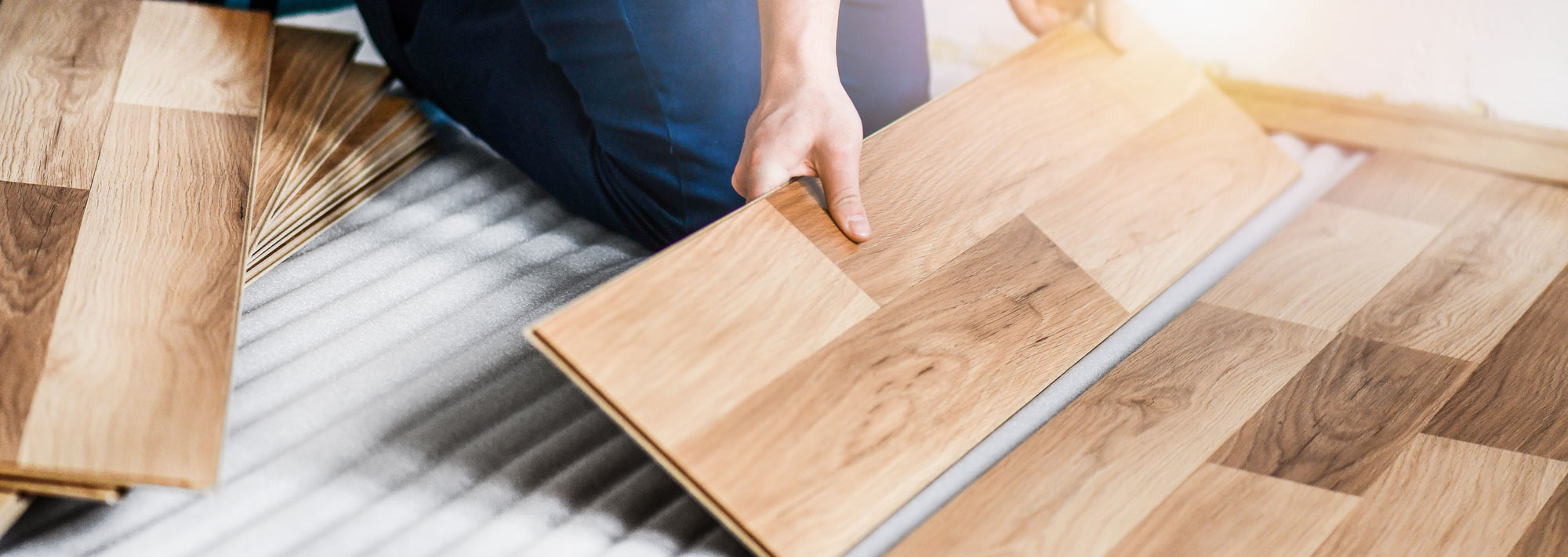
That is where the mid-warm hardwood shift comes in. Buyers still want floors that feel updated, but they do not necessarily want ultra-pale planks that feel flat, overly trend-driven, or hard to balance with the rest of the home. Mid-warm hardwood tones are increasingly appealing because they bring back warmth, depth, and livability without sliding into dated orange, heavy red, or dark espresso territory.
What “mid-warm” actually means
Mid-warm hardwood usually sits in the middle of the color temperature range.
It is warmer than cool gray or washed blonde, but more restrained than traditional golden oak or red-toned brown flooring. The goal is a floor that feels natural, grounded, and flexible. It adds visual warmth to the room without dominating it.
In practical terms, this often means light-to-medium brown tones with beige, honey, greige-warm, or subtle taupe influence. The right version can soften a room, support a wider range of furniture finishes, and feel less stark than cooler alternatives.
Why buyers are pulling back from blonde
The blonde trend is not disappearing entirely, but it is becoming more selective.
Very pale floors can sometimes make a home feel visually thin, especially in rooms that already have light walls, minimal contrast, and limited material layering. In some spaces, blonde floors look calm and refined. In others, they flatten the room and reduce warmth.
There is also a practical issue. Some homeowners discover that very pale or very specific neutral tones can be harder to coordinate with cabinetry, furniture, and adjacent materials than expected. The floor starts dictating the palette instead of supporting it.
Mid-warm hardwood is often easier to live with because it feels less brittle from a design standpoint.
Why mid-warm feels more current than “traditional warm”
This shift is not a return to orange-heavy flooring.
The current preference is for controlled warmth. That means cleaner browns, softer undertones, lower sheen, and less exaggerated stain build. The wood should feel naturally warm, not artificially tinted.
This is why species, grade, stain formulation, and finish sheen all matter. A mid-warm floor looks current when the undertones are balanced and the surface is not overly glossy. If the finish is too shiny or the stain is too saturated, the result can quickly slide into an older visual profile.
Where mid-warm works especially well
Mid-warm hardwood tends to perform well in:
Living spaces that need more visual warmth
Homes with mixed wood furniture and cabinetry
Interiors with white, cream, taupe, or soft earth-tone walls
Rooms with California light, where cool floors can sometimes feel sterile
It is also useful for homeowners who want a floor that still feels relevant several years from now. Mid-warm tones usually age more gracefully than extreme trend colors.
How to shop for the right tone
Do not rely on names like “natural,” “oak,” or “warm beige.” Those labels vary widely by brand.
Instead, compare large samples in your own lighting. Check the undertones in morning light, afternoon light, and evening artificial light. Put the sample next to cabinet finishes, upholstery, and paint. Ask whether the tone has gray, yellow, pink, or red influence. Small undertone differences can make a big difference after installation.
A more useful question than “What’s trending?”
The better question is not just what looks current right now. It is what will still feel balanced, warm, and usable after the trend cycle moves again.
For many homes, that answer is not icy blonde and not traditional orange. It is something in the mid-warm range that feels natural, calm, and easy to design around.
Hardwood can absolutely still feel current without going blonde. Mid-warm tones are giving homeowners a way to bring warmth back into the room without sacrificing a clean, updated look.
Visit Floor Store of Sacramento at Rancho Cordova, CA to compare hardwood colors in person and find tones that work for real homes across Citrus Heights, Folsom, El Dorado Hills, and Fairs Oaks, CA. We help homeowners in Rancho Cordova, Citrus Heights, Folsom, El Dorado Hills, and Fair Oaks choose hardwood that feels current now and livable long after installation. Contact us to get started.


