

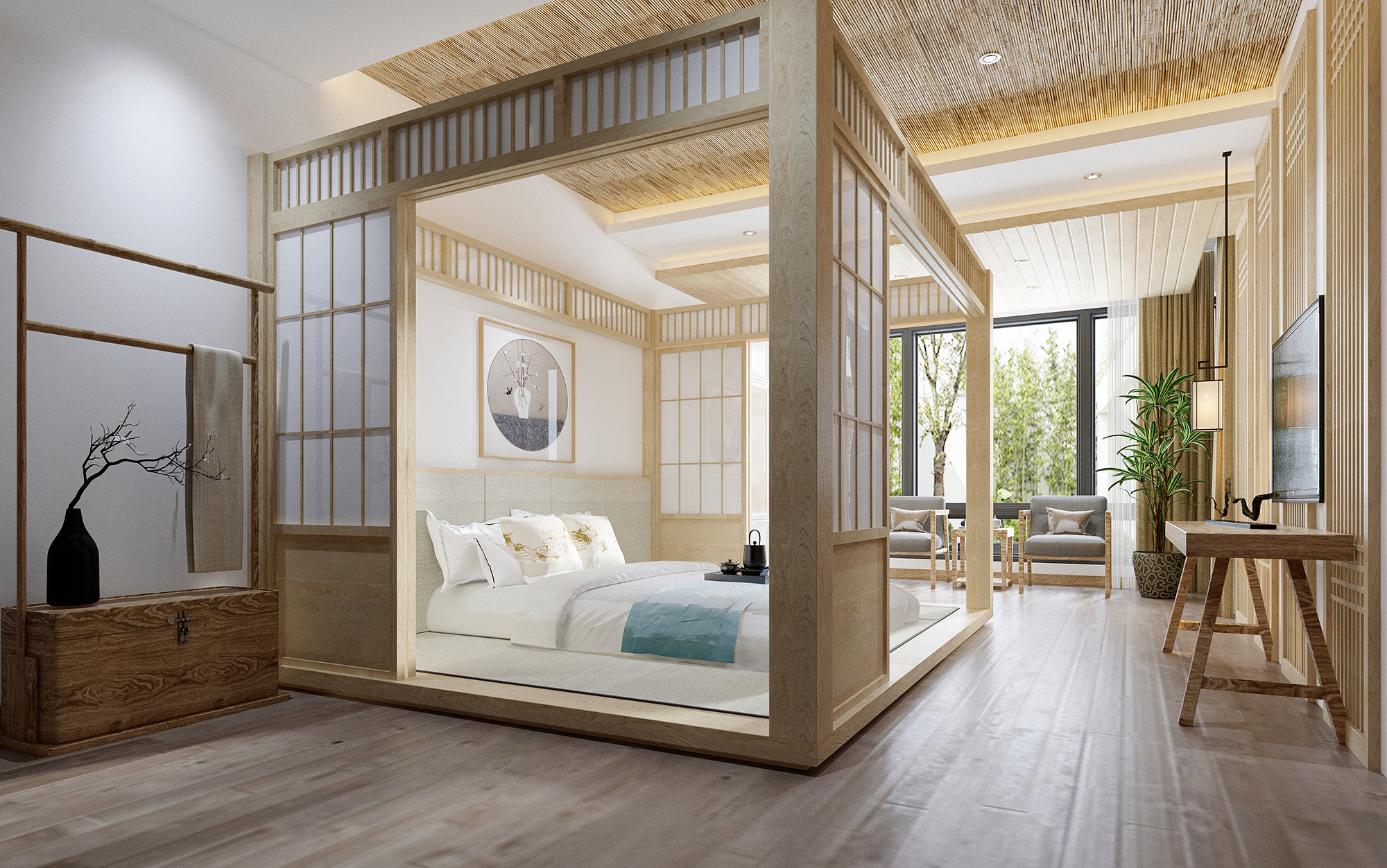
Wood drenching is the design idea of using wood tones generously across a room, often through floors, cabinetry, trim, furniture, wall details, or built-ins. Done well, it feels warm, architectural, and collected. Done poorly, it feels heavy, orange, mismatched, or dated.
Flooring is the anchor of this look. If the floor tone is wrong, every other wood element has to fight it. That is why choosing hardwood, engineered hardwood, or realistic laminate for a wood-drenched room requires more than picking a pretty sample. The floor needs to control warmth, grain, contrast, and visual weight.
Start with undertone before species
Wood-drenched interiors work best when the undertones are intentional. Some floors lean yellow, some orange, some red, some gray, and some neutral brown. If the cabinets, doors, or furniture already have strong undertones, the floor should either harmonize with them or create controlled contrast.
A common mistake is trying to match every wood tone exactly. That usually makes the room feel forced. A better approach is to keep the undertones related while varying depth and texture. For example, a soft natural oak floor can work with slightly darker walnut furniture if both feel warm and balanced rather than competing.
Grain pattern changes the whole mood
In a wood-drenched room, grain can either add richness or create visual noise. A floor with heavy movement may look beautiful on its own, but once it sits beside wood cabinets, wood chairs, wood shelving, and a wood table, the room can become busy. This is especially true in smaller rooms.
Cleaner grain patterns often work better when there are already many wood surfaces in the space. White oak, European oak visuals, maple tones, and calmer hickory selections can help the room feel designed instead of chaotic. If the floor has strong character, the other wood elements may need to be quieter.
Finish matters more than people think
Glossy floors can make wood-heavy rooms feel dated because they reflect too much light and emphasize every mark. Matte and satin finishes usually work better for modern warm interiors because they soften the surface and make the floor feel more natural. They also tend to hide dust and small marks better than shiny finishes.
Texture also matters. Wire-brushed, lightly scraped, or embossed surfaces can create depth without needing a dramatic color. For laminate, embossed-in-register texture can help the floor read as more realistic. For hardwood, the finish system and surface treatment affect both the look and long-term maintenance.
Plank width and layout should match the room
Wide planks can make a room feel calmer because there are fewer seams and less visual interruption. That can work beautifully in open-plan homes, larger living areas, and spaces with simple furniture. In narrow hallways or small rooms, very wide planks can sometimes feel oversized if the layout is not planned carefully.
Direction also matters. Running planks with the longest sightline usually helps the room feel more open. In wood-drenched interiors, layout should reduce clutter, not add more lines. The floor should support the architecture rather than shout over it.
Hardwood or laminate can both work
Hardwood is the natural choice when long-term value, refinishing potential, and authentic material character are priorities. It works well in homes where the floor is part of a larger design investment. Engineered hardwood can also be a smart option when dimensional stability is important.
High-end laminate can also support a wood-drenched look when the visual is realistic, the repeat pattern is low, and the texture is convincing. It may be a practical option for homeowners who want warmth and durability without the maintenance expectations of hardwood. At Floor Store of Sacramento, the right choice comes down to lifestyle, room use, budget, and how much real wood already exists in the home.
Wood drenching works when the floor feels intentional, not accidental. The right floor should balance undertone, grain, finish, plank width, and the wood elements already in the room. Warm does not have to mean yellow, rich does not have to mean dark, and coordinated does not have to mean perfectly matched.
Visit Rancho Cordova, CA to compare hardwood, engineered hardwood, laminate, and waterproof flooring options with Floor Store of Sacramento. We help homeowners in Citrus Heights, Folsom, El Dorado Hills, and Fairs Oaks, CA choose floors that support the full design of the home. If you are planning a warmer, wood-led interior, contact us and we can help you choose the right foundation.


